
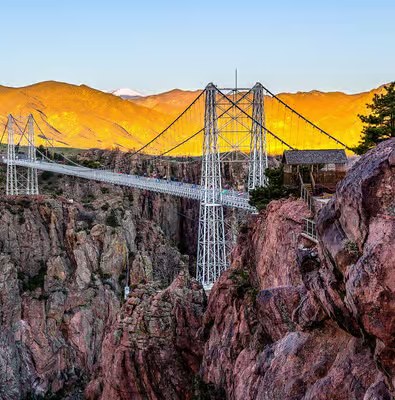
Cañon City: Royal Gorge Bridge & Park Entry Ticket
The year-round option: the park is open every month and the ticket is the same $35 in January as in July.
From $35 per person
Check AvailabilityThe park is open all year and the river is not, which makes the calendar do more work here than at most attractions. Snowmelt sets the rafting season and the difficulty rating inside it, and the two do not move together the way people expect.
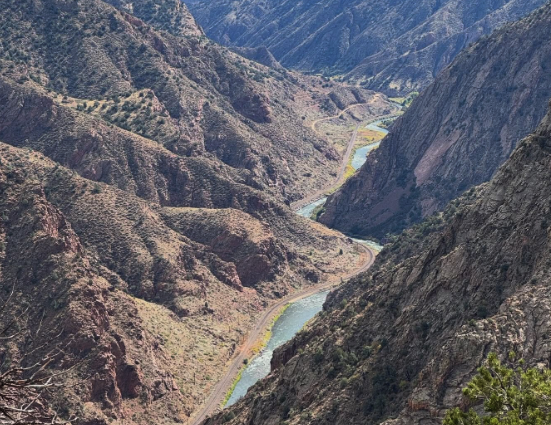
The bridge and the river run on different calendars and it is the source of most confusion here.
The park is open year-round with seasonal hours. You can walk the bridge in January. The gondola runs, the viewpoints are there, and the canyon in snow is a genuinely different sight from the canyon in July.
The Arkansas River is snowmelt-fed and commercial rafting runs roughly from late spring into early autumn, with the exact window depending on the year’s snowpack. Outside it the water is too low to run this stretch commercially.
So “when should I visit” has two answers, and which one matters depends on whether the river is part of your plan.
| Period | Park | Rafting | Weather | Crowds | The read |
|---|---|---|---|---|---|
| December–February | Open, short hours | Closed | Cold, occasional snow | Lowest | The canyon almost to yourself; dress for 6,600 ft |
| March–April | Open, lengthening hours | Starting, low water | Variable, windy | Low | Shoulder. Park is good, river is not yet itself |
| May | Full hours | Rising fast | Improving | Building | Runoff begins; big-water season starts here |
| June | Full hours | Peak flow | Warm, afternoon storms | High | The biggest water of the year, and the highest minimum ages |
| July–August | Full hours | Strong, easing | Hot, daily storm risk | Peak | Busiest and warmest; book the river ahead |
| September | Full hours | Lower, gentler | The best weather of the year | Falling | The sweet spot on almost every axis |
| October | Shortening hours | Winding down | Crisp, clear | Low | Excellent for the park; the river is finishing |
| November | Short hours | Closed | Cold, clear | Low | A park visit, and a fine one |
September is the answer if the river matters and October is the answer if it does not, which is a rare case of the two best months being adjacent and different.
The Arkansas rises in the Colorado Rockies and this stretch is fed by the melt off the high country, which means the river’s year is a snowpack story rather than a rainfall one.
Melt begins in spring, builds through May into June as warmer weather works through the higher elevations, peaks somewhere in early summer, and then declines steadily through the rest of the season. A heavy snow year extends and raises the whole curve; a light one shortens it.
The practical consequence is that the same trip on the same water is a meaningfully different day in June and in September, and outfitters price and describe it accordingly.
Because it depends on the year, the honest advice is to check current conditions rather than trusting a fixed date range. Outfitters publish flow information and they have every reason to be accurate about it.
Yes, and this is the most useful thing on the page for anyone travelling with a family.
Rapids are rated by difficulty, and that rating shifts with flow. The Royal Gorge stretch is commonly described as class III to IV, and at peak runoff it sits at the top of that band and occasionally above it. In late season the same rapids run lower and gentler.
What follows from that: minimum ages rise with the water. An outfitter that takes twelve-year-olds in September may set the minimum considerably higher in June, and the number is set by the flow on the day rather than by the calendar.
Different rather than worse, and it suits a lot of people better.
Lower water means more exposed rock, more technical manoeuvring and a slower ride. The rapids are still rapids; they are less continuous and less powerful. Warmer air and water make the whole thing more comfortable, and the crowds have gone.
For a first-time rafter, late season is arguably the better introduction. For somebody who came for big water, June is the month and no amount of good weather in September substitutes for it.
The one genuine risk of very late season is that trips stop running. In a light snow year the commercial season can finish earlier than expected, so a late-September or October booking is worth confirming rather than assuming.
Open year-round with seasonal hours: longer in summer, shorter in winter, and worth checking before a winter drive because a short day plus a two-hour approach can leave you arriving at closing.
The separately-ticketed rides are the part most affected by season. The zip line and the Skycoaster operate on weather and demand, and a quiet January weekday is not when they are most reliably running. If those are the point of your visit, summer is the safe answer.
The bridge, the gondola and the viewpoints are the constants. Those work in any month the park is open, and the canyon under snow is a photograph you cannot take in July.
Colder than visitors expect and often clearer than they hope.
The rim sits at around 6,600 feet, which puts winter daytime temperatures well below what Denver or Colorado Springs are showing. Wind across an open canyon rim makes it feel colder still, and the bridge is the most exposed spot in the park.
What you get for that is a canyon with nobody in it, snow on the walls, and the kind of hard clear light the high country produces in winter. It is the best photography of the year and the emptiest bridge.
The road in is US 50, maintained and generally clear, though winter storms close mountain routes across Colorado and a Denver approach can be affected even when Cañon City is fine.
Colorado’s summer weather runs to a schedule and it is worth planning around.
From roughly July through August, afternoon thunderstorms build over the mountains and move east, arriving in the early to middle afternoon on a large share of days. They are usually brief and they bring lightning, which matters a great deal on an exposed canyon rim and on a river.
The practical response is the same one Colorado locals use for hiking: do the exposed thing in the morning. A bridge crossing at ten is a different proposition from a bridge crossing at three under a building storm, and rafting outfitters schedule around it as a matter of routine.
This is also the argument for the morning-park-afternoon-river order rather than the reverse in high summer, since the river guides are professionally attentive to storms in a way a self-guided rim visit is not.
July and August, with weekends far busier than weekdays, and the gondola is where you feel it.
The park absorbs crowds reasonably — both rims and a long stretch of bridge spread people out — but the gondola is a single mechanical bottleneck and thirty to forty-five minutes is a normal midday summer wait.
Rafting capacity is the other constraint. Peak-season weekend departures fill, and a family of four wanting a specific time in July is booking weeks rather than days ahead.
September onward the whole place empties, which is most of why it is the best month.
September and October, and they are the answer to two different questions.
September gives you the best combination available here: the river still running at a friendly level, the park at full hours, the summer storm pattern easing, and the crowds gone. If one month has to do everything, it is this one.
October is better for the park alone. Crisp, clear, quiet, with autumn colour in the canyon and light that flatters a thousand feet of granite. The river is finishing and may have finished, so it is a rim month rather than a both-levels month.
May and June are the other end: the biggest water of the year, higher minimum ages, and building crowds. That is the right answer if whitewater is the reason you came.
| When | Park ticket | Rafting | Jeep or railroad |
|---|---|---|---|
| June–August weekend | Online, a few days | 3–4 weeks | 2–3 weeks |
| June–August weekday | Online, the day before | 1–2 weeks | 1 week |
| May, September | The day before | 1 week | A few days |
| April, October | On the day | Confirm it is running | A few days |
| November–March | On the day | Not running | Check seasonal schedules |
The park is the flexible one throughout. Everything with a fixed departure and a limited seat count is not.
September, if you want the canyon from the rim and the river on the same trip. Best weather, friendliest water for a first-time rafter, full park hours, and the crowds gone.
June if whitewater is the point. Peak flow, the biggest water of the year, and higher minimum ages that are worth checking against your party before you book.
And do not write off winter. The park is open, the bridge is empty, the light is extraordinary and it costs $35 — you just need to dress for a canyon rim at 6,600 feet rather than for the city you drove from.
Chosen to match what this guide covers, not for what sells.
The year-round option: the park is open every month and the ticket is the same $35 in January as in July.
From $35 per person
Check Availability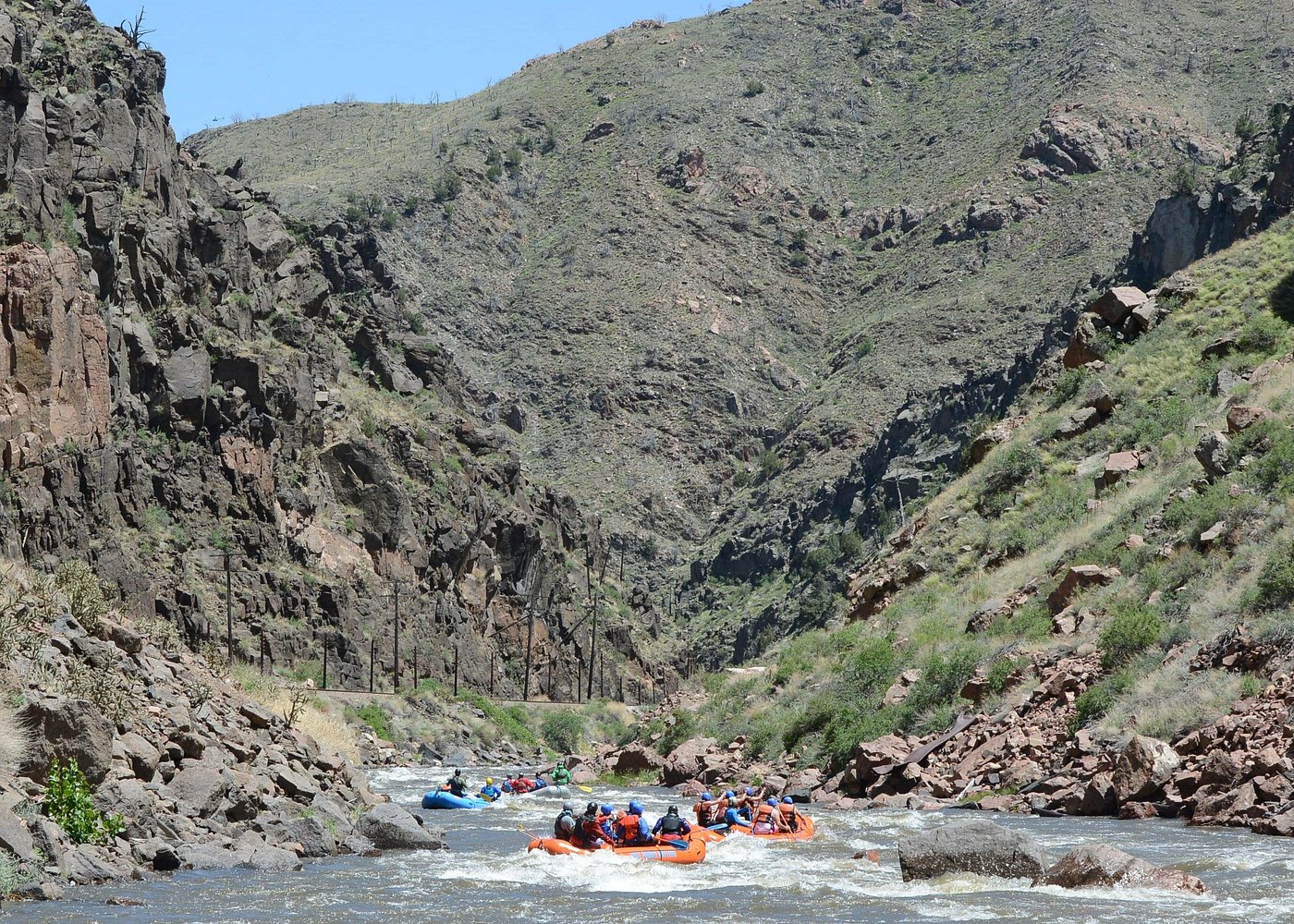
The full river day, which is the booking to make in June when the snowmelt is at its peak.
From $199 per person
Check Availability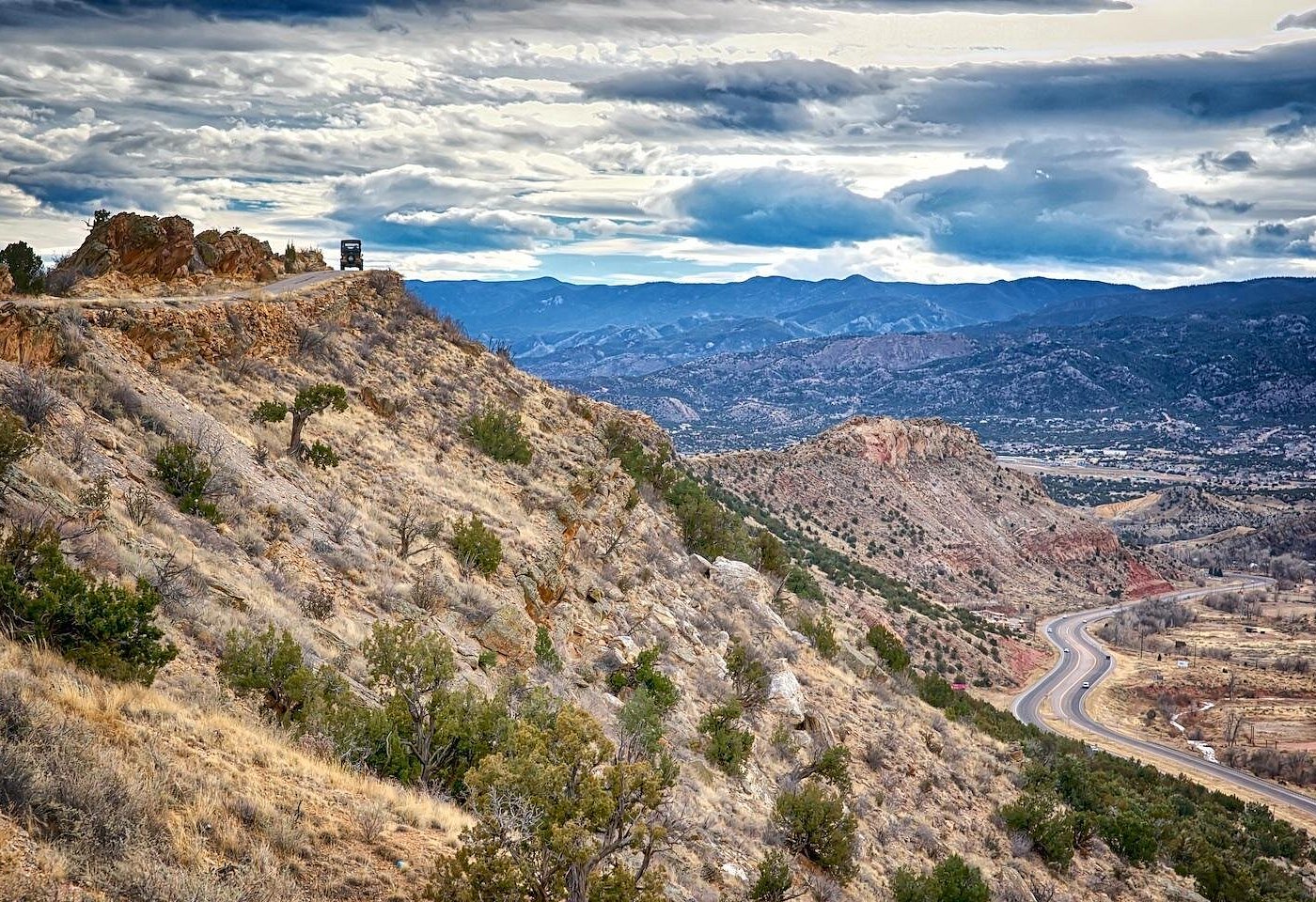
A full day on the back roads and in Red Canyon — a shoulder-season alternative that does not depend on the river running.
From $399 per person
Check Availability